
Sleep Apnoea and Your Health: Why Quality Sleep Matters

Dr Valerie Tay
Senior Consultant ENT Surgeon
MBBS (Singapore), MRCS (Edinburgh), MMed (ORL), FAMS
If your sleep has not been feeling quite right, it may be worth taking a closer look at what is happening beneath the surface. Waking up unrefreshed, despite getting enough hours in bed, is often a sign that sleep quality, not just quantity, is the issue.
One possible cause is sleep apnoea, a common but frequently overlooked condition that affects breathing during sleep. Left unrecognised, it can interfere with how well your body recovers overnight and affect your overall health over time.
When Sleep Stops Being Restorative
Sleep apnoea is a condition that affects breathing while you sleep. The most common type is obstructive sleep apnoea (OSA), which occurs when the muscles at the back of the throat relax too much. This causes the airway to narrow or collapse, temporarily blocking airflow. When this happens, oxygen levels in the blood may drop and the brain briefly signals the body to wake up and resume breathing.
These interruptions can occur many times throughout the night, often without the person being aware of them. As a result, sleep becomes fragmented and less restorative. While loud and persistent snoring is a common sign, sleep apnoea may also involve choking, gasping or pauses in breathing that are often noticed by a bed partner or family member.
Because the condition disrupts normal breathing and sleep cycles, it can prevent the body from getting the deep, restorative rest it needs to function properly. Over time, untreated sleep apnoea can have a significant impact on both daily energy levels and long-term health.
Sleep Does More Than Help You Feel Rested
Sleep plays a key role in repairing tissues, regulating hormones and supporting brain and heart function. When it is repeatedly disrupted by breathing pauses, the body is unable to maintain the continuous rest needed for proper recovery.
Poor sleep quality can lead to persistent daytime fatigue, difficulty concentrating, memory issues and mood changes such as irritability. Over time, untreated sleep apnoea is also associated with more serious health risks, including high blood pressure and cardiovascular disease.
Signs of Sleep Apnoea That Often Go Unnoticed
Sleep apnoea often goes undiagnosed because many of its symptoms occur during sleep. In some cases, a bed partner or family member may be the first to notice the signs. Recognising these symptoms can help prompt earlier medical evaluation.
Common signs and symptoms include:
Loud and persistent snoring
Pauses in breathing during sleep
Choking or gasping sounds at night
Waking up frequently or experiencing restless sleep
Morning headaches
Dry mouth or sore throat upon waking
Excessive daytime sleepiness
Difficulty concentrating or irritability
Certain factors can increase the risk of developing sleep apnoea. Structural issues that narrow or obstruct the airway, such as nasal blockage or enlarged tonsils, can restrict airflow during sleep. When the airway is already narrowed, normal muscle relaxation at night can more easily lead to partial or complete obstruction.
Lifestyle and personal factors also play a role. Being overweight, increasing age, smoking and regular alcohol consumption are associated with a higher likelihood of airway collapse. A family history of sleep apnoea may further increase risk.
Could You Be at Risk of Sleep Apnoea? The STOP-Bang Questionnaire
If you recognise some of the signs or risk factors above, the STOP-Bang questionnaire is one way to assess whether you may be at increased risk of obstructive sleep apnoea. It looks at eight factors related to your sleep, health and physical characteristics:
| STOP-Bang | Question |
| S - Snoring | Do you snore loudly? |
| T - Tiredness | Do you often feel tired or sleepy during the daytime? |
| O - Observed apnoea | Has anyone noticed you stop breathing, choke or gasp during sleep? |
| P - Pressure | Do you have high blood pressure or receive treatment for it? |
| B - BMI | Is your BMI above the threshold used in the questionnaire? |
| A - Age | Are you over 50 years old? |
| N - Neck circumference | Is your neck circumference above the threshold used in the questionnaire? |
| G - Gender | Are you male? |
Each "yes" answer contributes to the overall score, with a higher score generally indicating a greater risk of obstructive sleep apnoea.
However, STOP-Bang is a screening questionnaire rather than a diagnostic test. A higher score does not confirm that you have sleep apnoea, while a lower score does not necessarily rule it out. If your symptoms or screening results raise concerns, a medical evaluation can help determine whether further assessment, such as a sleep study, is appropriate.
Understanding the Path to Better Sleep
If sleep apnoea is suspected, a proper medical evaluation is important to confirm the diagnosis and determine its severity. will typically begin with a detailed discussion of your symptoms and medical history, followed by a physical examination of the nose, throat and airway. In many cases, a sleep study may be recommended to monitor breathing patterns, oxygen levels and sleep quality overnight. This can be conducted either in a sleep laboratory or at home, depending on individual needs.
Treatment for sleep apnoea depends on the underlying cause and the severity of the condition. For some individuals, lifestyle modifications such as weight management or reducing alcohol intake may help improve symptoms. In other cases, medical devices or surgical procedures may be recommended to address airway obstruction and improve airflow during sleep.
When to Seek Help for Sleep Apnoea
If you experience persistent loud snoring, choking or gasping during sleep or ongoing daytime fatigue despite spending enough time in bed, it may be time to seek medical advice. Untreated sleep apnoea can continue to affect both your daily functioning and long-term health.
An ENT specialist can assess your airway, identify the underlying cause of obstruction and recommend appropriate treatment. Early evaluation and intervention can help you breathe better, sleep better and protect your overall well-being.
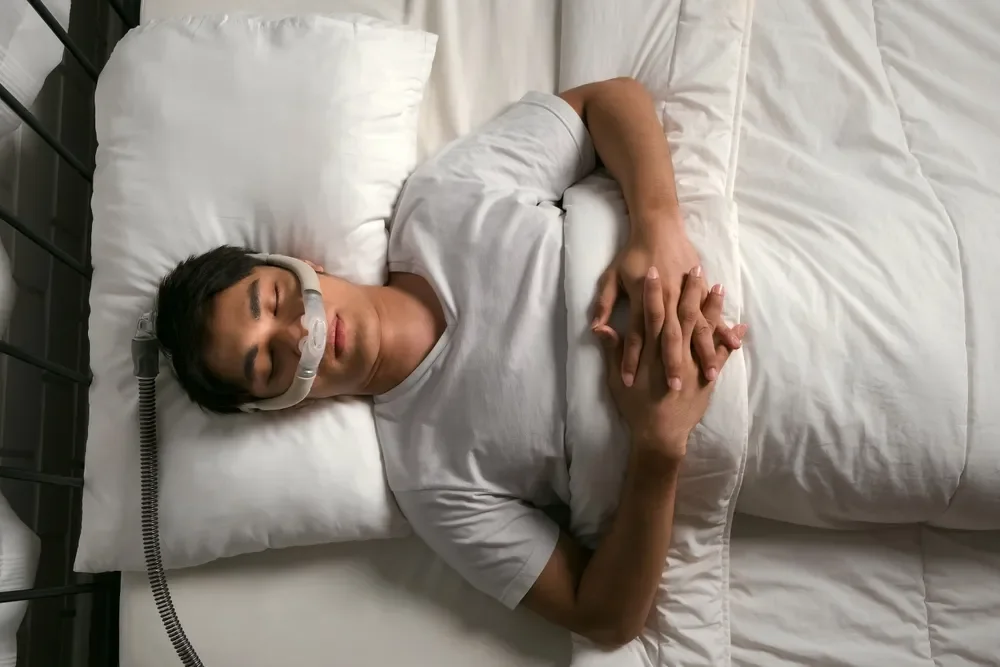
Address Sleep Apnoea Early with Dr Valerie Tay
Early diagnosis and treatment of sleep apnoea can significantly improve your sleep quality and reduce the risk of long-term health complications. By addressing airway obstruction promptly, you can restore healthier breathing patterns and wake up feeling more refreshed. Seeking timely medical evaluation is an important step towards protecting your daily well-being and your future health.
Aspire Ear Nose Throat and Snoring Clinic is dedicated to personalised care for patients experiencing snoring and breathing-related sleep issues. The practice is led by Dr Valerie Tay, known for her patient-centred approach, surgical precision and compassionate care. Schedule a consultation with us if you are concerned about persistent snoring or symptoms of sleep apnoea and would like to explore your treatment options.
Frequently Asked Questions About Sleep Apnoea
Can you have sleep apnoea even if you do not snore?
Yes. Although loud snoring is a common symptom of obstructive sleep apnoea, not everyone with the condition snores. Some people may instead experience pauses in breathing, choking during sleep, excessive daytime tiredness or morning headaches.
Can sleep apnoea affect your heart health?
Yes. Untreated sleep apnoea has been associated with an increased risk of high blood pressure, heart disease, heart rhythm disorders and stroke. Repeated drops in oxygen levels and disrupted sleep place additional strain on the cardiovascular system over time.
Can sleep apnoea cause daytime fatigue even after a full night's sleep?
Yes. Sleep apnoea repeatedly interrupts normal sleep cycles, preventing the body from reaching restorative stages of sleep. As a result, you may wake feeling unrefreshed despite spending enough time in bed.
Is sleep apnoea more common in certain people?
Yes. The risk is higher in people who are overweight, older, smoke or regularly consume alcohol. Structural features that narrow the airway, such as enlarged tonsils or nasal obstruction, can also increase the likelihood of developing sleep apnoea.
Can children develop sleep apnoea?
Yes. Although more common in adults, children can also develop obstructive sleep apnoea, often due to enlarged tonsils or adenoids. Persistent snoring, restless sleep or behavioural changes during the day should be assessed by a doctor.
Meet Our Specialist
Dr Valerie Tay
Senior Consultant ENT Surgeon
MBBS (Singapore), MRCS (Edinburgh), MMed (ORL), FAMS
Dr Valerie Tay provides comprehensive ENT assessment and treatment for ear, nose, throat and snoring-related conditions. With advanced fellowship training in Facial Plastic Surgery in Seoul, she integrates both functional and aesthetic principles to achieve optimal outcomes in nasal and facial procedures. She is known for her meticulous surgical precision, strong clinical judgement, and patient-centred approach grounded in integrity and compassion. A former President of the Society of Otolaryngology Head and Neck Surgery, Singapore, Dr Tay remains deeply committed to advancing patient care and mentoring future generations of doctors.