
Snoring in Children: When to See a Specialist in Singapore

Dr Valerie Tay
Senior Consultant ENT Surgeon
MBBS (Singapore), MRCS (Edinburgh), MMed (ORL), FAMS
Allergic rhinitis is a common inflammatory condition of the nasal mucosa caused by an exaggerated immune response to environmental allergens. It affects both adults and children and can significantly interfere with daily activities, sleep quality and overall well-being.
Although the symptoms often overlap, allergic rhinitis is generally classified into two main types: seasonal allergic rhinitis and year-round (perennial) allergic rhinitis.
When Is Childhood Snoring More Than Just a Phase?
Occasional snoring in children can occur, particularly during episodes of nasal congestion caused by viral infections or allergies. In these situations, the airway becomes temporarily narrowed, leading to vibration of soft tissues during breathing. Once the congestion resolves, the snoring usually disappears.
However, snoring that is frequent, loud or present most nights may be associated with airway obstruction during sleep. In some cases, this can affect sleep quality and daytime functioning.
What Is Keeping Your Child's Airway Narrow at Night?
Snoring in children usually occurs when airflow is partially blocked during sleep. This blockage can arise from several anatomical or medical factors, often affecting the upper airway.
Enlarged Tonsils and Adenoids
Enlarged tonsils and adenoids are among the most common contributors in young children. As a component of the body’s mucosal defence, these tissues are often larger during early childhood. When they occupy excessive space within the throat or nasal passages, they can narrow the airway, particularly during sleep when muscle tone decreases.
Nasal Congestion
Persistent nasal blockage restricts normal airflow through the nose, often leading to mouth breathing and increased vibration of the upper airway during sleep. This can contribute to snoring and disrupted breathing. Common underlying causes include allergic rhinitis, chronic sinus inflammation and recurrent upper respiratory infections.
Obstructive Sleep Apnoea (OSA)
Paediatric obstructive sleep apnoea is a sleep-related breathing disorder characterised by repeated partial or complete airway obstruction during sleep. Enlarged tonsils and adenoids are among the most common contributing factors, particularly in younger children. Other factors may also play a role, including obesity, the shape of the jaw or face, nasal obstruction and chronic nasal inflammation.
The Warning Signs Parents Shouldn't Ignore
Snoring alone does not always indicate a serious problem, but certain associated symptoms raise concern. These may suggest sleep-disordered breathing or obstructive sleep apnoea.
Night-Time Symptoms
Pauses in breathing during sleep
Gasping or choking sounds
Restless sleep
Mouth breathing
Daytime Symptoms
Excessive daytime sleepiness
Difficulty concentrating and paying attention
Behavioural or learning concerns
Morning headaches
Some children may appear constantly tired yet struggle to fall asleep at night. Others may not seem sleepy at all but show signs of attention difficulties or mood changes.
Finding the Cause of Snoring in Your Child
Evaluation usually begins with a detailed medical history. The doctor will ask about snoring patterns, breathing during sleep and any daytime symptoms.
During the consultation, the doctor will typically explore:
How often snoring occurs and how loud it is.
Whether breathing pauses, gasping or choking are observed during sleep.
Overall sleep quality and night-time behaviours.
Daytime symptoms such as tiredness, poor concentration or attention difficulties.
A physical examination then focuses on the nose, throat and neck. This includes assessing the size of the tonsils, nasal airway and facial structure, as well as checking for signs of allergic disease or long-term nasal inflammation.
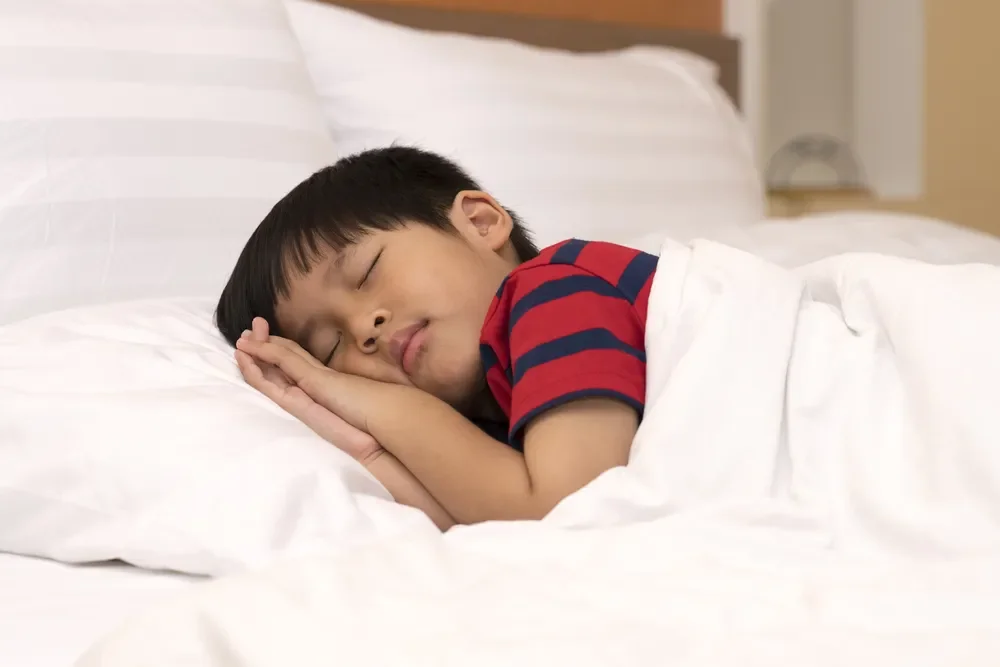
Helping Your Child Breathe and Sleep Better
Management is guided by the underlying cause and the degree of airway obstruction. The primary goals are to improve airflow during sleep and reduce the effects of disrupted breathing.
In children with nasal congestion or allergic symptoms, medical treatment may be recommended. This can include:
Saline nasal sprays to improve nasal clearance.
Antihistamines to control allergy-related symptoms.
Intranasal corticosteroids to reduce nasal inflammation.
In addition, supportive measures, such as maintaining a healthy weight and minimising exposure to environmental irritants, can help improve breathing during sleep.
Knowing When It's Time to Seek Help
Parents should consider seeking assessment when snoring is frequent, loud or accompanied by other concerning symptoms. Referral to a paediatric ENT specialist is particularly important if any of the following are present:
Snoring occurs most nights and persists over several weeks.
Snoring is loud or disruptive.
There are observed breathing pauses during sleep.
Daytime symptoms such as fatigue or attention difficulties are present.
Recurrent throat or ear infections accompany snoring.
Children with underlying conditions such as asthma, allergic rhinitis or craniofacial differences may require earlier evaluation, as they carry a higher risk of airway obstruction during sleep.
Address Your Child’s Snoring Concerns with Dr Valerie Tay
Childhood snoring can be worrying for parents, especially when it is frequent or accompanied by other symptoms. Understanding the possible causes and recognising early warning signs allow families to make informed decisions about when to seek further evaluation. With timely assessment and appropriate management, children may achieve better sleep quality and healthier long-term development.
Here at Aspire Ear Nose Throat & Snoring Clinic, we support families in identifying and managing sleep-related breathing issues in children. Dr Valerie Tay assesses sleep-related breathing concerns in children and advises on management based on the underlying cause. Contact us to schedule an assessment of your child’s snoring.
Frequently Asked Questions About Snoring in Children
At what age does snoring become a concern in children?
Snoring can occur at any age, but persistent snoring in preschool and school-aged children warrants closer attention. Ongoing symptoms during key developmental years may affect sleep quality and overall functioning.
Can children outgrow snoring?
Some children may outgrow mild snoring as their airways grow and immune tissues shrink with age. However, habitual or loud snoring should not be assumed to resolve on its own without proper assessment.
Is mouth breathing during the day related to snoring?
Persistent mouth breathing may suggest underlying nasal obstruction. Over time, this can influence facial development and dental alignment in growing children.
Meet Our Doctor
Dr Valerie Tay
Senior Consultant ENT Surgeon
MBBS (Singapore), MRCS (Edinburgh), MMed (ORL), FAMS
Dr Valerie Tay provides comprehensive ENT assessment and treatment for ear, nose, throat and snoring-related conditions. With advanced fellowship training in Facial Plastic Surgery in Seoul, she integrates both functional and aesthetic principles to achieve optimal outcomes in nasal and facial procedures. She is known for her meticulous surgical precision, strong clinical judgement, and patient-centred approach grounded in integrity and compassion. A former President of the Society of Otolaryngology Head and Neck Surgery, Singapore, Dr Tay remains deeply committed to advancing patient care and mentoring future generations of doctors.