
Sleep Apnoea in Adults: Signs to Look Out For
Dr Valerie Tay
Senior Consultant ENT Surgeon
MBBS (Singapore), MRCS (Edinburgh), MMed (ORL), FAMS
Sleep apnoea is a condition where breathing repeatedly stops and starts during sleep, often without the person realising it. While it often goes undiagnosed, untreated sleep apnoea can affect energy levels, mood, concentration and long-term cardiovascular health. Recognising the early signs can help you seek timely treatment and protect your overall wellbeing.
What is Sleep Apnoea and What Causes It?
The main types are:
Obstructive Sleep Apnoea (OSA) – caused by airway blockage
Central Sleep Apnoea (CSA) – caused by disrupted brain breathing signals
Complex Sleep Apnoea – a combination of both
Sleep apnoea is more than just snoring. While loud, persistent snoring is a common warning sign, not everyone who snores has sleep apnoea and not everyone with sleep apnoea snores loudly. The key issue is repeated airway obstruction or breathing pauses that disrupt normal oxygen flow and prevent deep, restorative sleep.
Each time breathing stops, oxygen levels in the blood can drop. The brain briefly wakes the body to restart breathing, often without the person fully realising it. These repeated micro-awakenings fragment the sleep cycle, reducing time spent in deep sleep and REM sleep: the stages essential for physical recovery, memory consolidation and hormonal balance. Over time, untreated sleep apnoea can increase the risk of high blood pressure, heart disease, stroke, diabetes and chronic daytime fatigue.
What Are the Nighttime Symptoms of Sleep Apnoea?
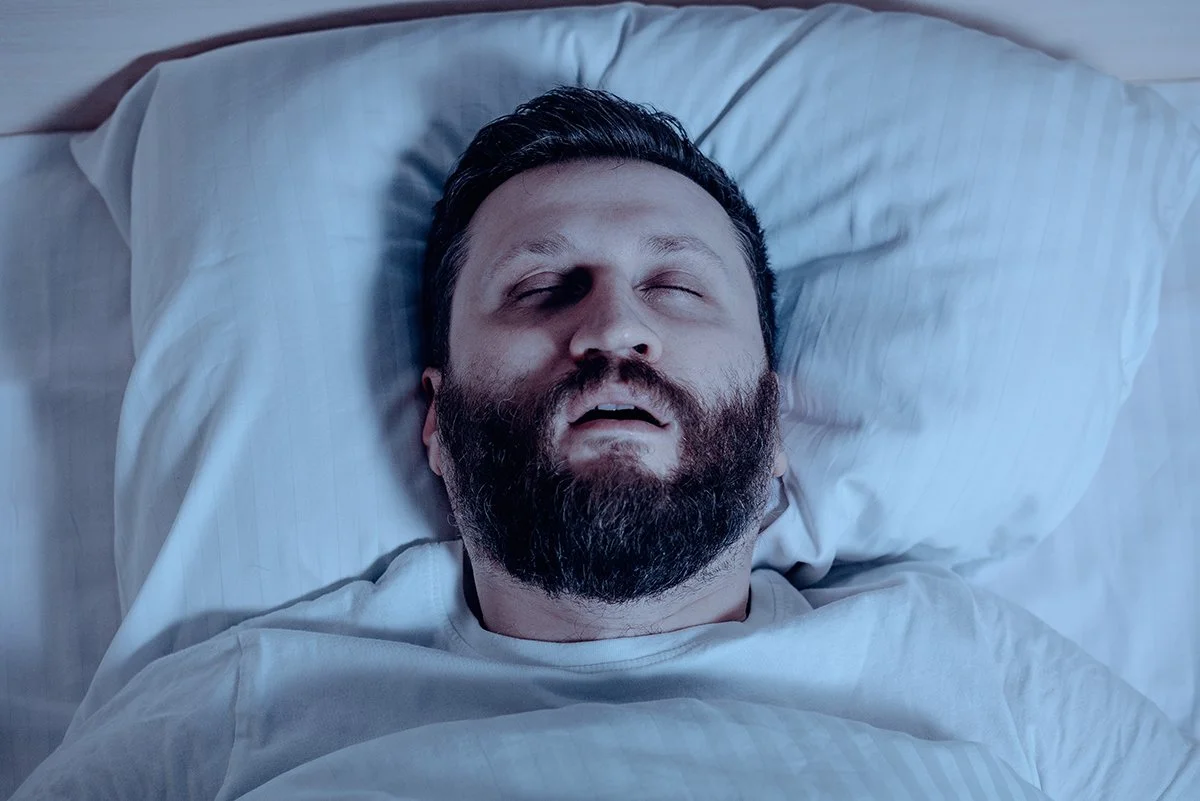
Many symptoms of obstructive sleep apnoea (OSA) occur at night and may be noticed by a partner rather than the individual. Sleep apnoea causes repeated interruptions in breathing, leading to drops in oxygen levels and brief awakenings that disrupt deep, restorative sleep. If you or your partner notice any of the symptoms below, it may be a sign of obstructive sleep apnoea (OSA) or another sleep-related breathing disorder.
Loud, Persistent Snoring
Persistent loud snoring is one of the most common signs of obstructive sleep apnoea. Snoring happens when airflow is partially blocked and the tissues in the throat vibrate. While not everyone who snores has sleep apnoea, persistent and worsening snoring is a common warning sign, particularly when combined with daytime fatigue or witnessed breathing pauses.
Gasping, Choking or Pauses in Breathing During Sleep
Repeated pauses in breathing followed by gasping or choking are hallmark symptoms of OSA. These episodes can occur multiple times an hour and may be noticed by a partner even if the person affected has no memory of them. This symptom is especially concerning because it suggests the airway is being blocked and oxygen levels may be dropping during sleep.
Frequent Waking or Restless Sleep
Sleep apnoea often causes fragmented sleep due to repeated micro-awakenings triggered by breathing interruptions. Some adults wake up multiple times without knowing why, while others experience restless tossing and turning throughout the night. You may also wake up suddenly with a racing heartbeat, a feeling of breathlessness or a sense of panic. Even if you sleep for many hours, this disrupted sleep pattern can leave you feeling unrefreshed in the morning.
Night Sweats and Dry Mouth in the Morning
Night sweats may occur because sleep apnoea places the body under stress when breathing stops and oxygen levels fall. Dry mouth and sore throat in the morning are also common, especially in individuals who breathe through their mouth due to airway obstruction or nasal congestion. If you frequently wake up with a dry mouth, it may be a clue that your breathing is not smooth during sleep.
Mood Changes (Irritability, Anxiety, Low Mood)
Chronic sleep disruption affects emotional regulation. Adults with untreated sleep apnoea may become more irritable, anxious, or emotionally reactive. Some may develop symptoms resembling depression. Addressing the underlying sleep disorder can often improve mood stability and overall mental wellbeing.
Reduced Libido
Ongoing fatigue and poor sleep quality can contribute to reduced sex drive. Sleep apnoea may also influence hormone regulation, including testosterone levels in men. When reduced libido occurs alongside loud snoring, choking during sleep and persistent daytime fatigue, it may point toward an undiagnosed sleep-related breathing disorder.
What Are the Daytime Symptoms of Sleep Apnoea?
Many adults overlook sleep apnoea because its most disruptive effects appear during the day rather than at night. If you feel persistently tired despite 7–8 hours of sleep, an underlying sleep disorder may be present.
Excessive Daytime Sleepiness and Fatigue
Persistent daytime sleepiness is one of the hallmark symptoms of sleep apnoea. You may feel overwhelmingly tired in the afternoon, rely heavily on caffeine or struggle to stay awake during meetings or while driving. This happens because repeated breathing pauses prevent the brain from entering restorative deep and REM sleep. If fatigue continues despite adequate time in bed, an underlying sleep disorder should be considered.
Morning Headaches
Waking up with frequent morning headaches can be a sign of disrupted breathing overnight. Drops in oxygen levels and temporary rises in carbon dioxide during apnoea episodes may trigger dull, pressure-like headaches upon waking. If headaches improve later in the day but recur most mornings, sleep apnoea may be contributing.
Poor Concentration, Memory Issues and Brain Fog
Sleep apnoea can impair cognitive performance due to fragmented sleep and reduced oxygen delivery to the brain. Adults may experience difficulty concentrating, forgetfulness, slower thinking, or “brain fog.” Tasks that once felt simple may take longer and productivity may decline. These symptoms are often mistaken for stress or ageing but may improve significantly with proper treatment.
Who Is at Higher Risk of Developing Sleep Apnoea?
Certain risk factors significantly increase the likelihood of obstructive sleep apnoea in adults. Understanding who is at higher risk is important because many people may not recognise their symptoms until the condition becomes more severe. In general, sleep apnoea is more common in individuals with airway narrowing, excess weight, lifestyle triggers, or underlying medical conditions that affect breathing and circulation.
Being Overweight or Having a Large Neck Circumference
Excess body weight is one of the strongest risk factors for obstructive sleep apnoea (OSA). Fat deposits around the neck and upper airway can narrow the breathing passage, making it more likely for the airway to collapse during sleep. A larger neck circumference is often linked to increased airway obstruction, even in individuals who may not appear significantly overweight.
Ageing and Hormonal Changes
The risk of sleep apnoea increases with age. As people get older, muscle tone in the throat can weaken, making airway collapse more likely during sleep. Hormonal changes can also play a role, especially in women after menopause, where the protective effect of certain hormones decreases and the likelihood of sleep apnoea rises.
Smoking and Alcohol Use
Smoking irritates and inflames the airway, which can worsen swelling and obstruction in the throat and nasal passages. Alcohol is also a major trigger because it relaxes the throat muscles, increasing the chance of airway blockage. Adults who drink alcohol regularly, especially at night, may experience more frequent or severe sleep apnoea episodes.
Nasal Congestion or Structural Airway Issues
Chronic nasal congestion from allergies, sinus problems, or deviated nasal structures can make breathing through the nose more difficult. This can lead to mouth breathing, increased snoring, and greater airway collapse during sleep. Structural issues such as enlarged tonsils, a small jaw, or a narrowed airway can also increase the risk of obstructive sleep apnoea.
High Blood Pressure, Diabetes or Heart Disease
Sleep apnoea is strongly associated with chronic medical conditions such as high blood pressure (hypertension), diabetes, and cardiovascular disease. Repeated drops in oxygen levels place stress on the heart and blood vessels, increasing the risk of complications. Adults with these conditions should be especially alert to symptoms such as snoring, daytime fatigue and poor sleep quality, as sleep apnoea may be an underlying contributor.
Family History
A family history of sleep apnoea can increase your risk due to inherited traits such as facial structure, airway shape, or a tendency toward obesity. If close relatives have been diagnosed with sleep apnoea, it is worth paying attention to early warning signs, even if symptoms seem mild.
When Should You See a Doctor for Sleep Apnoea?
Sleep apnoea is often overlooked because symptoms can seem “normal,” such as snoring or tiredness. However, persistent symptoms should not be ignored, as untreated sleep apnoea can increase the risk of high blood pressure, heart disease, stroke, and accidents related to daytime fatigue.
You should see a doctor if you experience:
Loud snoring with gasping, choking, or witnessed pauses in breathing
Excessive daytime sleepiness despite adequate sleep
Frequent morning headaches
Poor concentration, memory issues, or mood changes
High blood pressure that is difficult to control
Persistent fatigue that affects work, driving, or daily functioning
Early Diagnosis and Personalised Treatment for Sleep Apnoea
Sleep is essential for cardiovascular, cognitive and metabolic health. Identifying sleep apnoea early allows you to protect your long-term wellbeing and regain better quality sleep.
At Aspire Ear, Nose, Throat and Snoring Clinic, care is centred on thorough evaluation and personalised treatment for a wide range of ENT conditions, including sinus issues, nasal blockage, snoring, and sleep apnoea. The clinic is led by Dr Valerie Tay, Senior Consultant ENT Surgeon, who is known for her patient-centric approach focused on integrity, compassion, and empowering patients with knowledge. If you are experiencing persistent ENT or sleep-related symptoms, schedule a consultation for a proper assessment and personalised care.
Frequently Asked Questions About Sleep Apnoea
-
Snoring occurs when airflow is partially restricted and causes throat tissues to vibrate. Sleep apnoea is more serious and involves repeated pauses in breathing, often with drops in oxygen levels and disrupted sleep.
-
Yes. While loud snoring is common in obstructive sleep apnoea, some people experience breathing interruptions without obvious snoring. Symptoms such as fatigue, morning headaches and poor concentration may still be present.
-
Untreated sleep apnoea can increase the risk of high blood pressure, heart disease, stroke, diabetes and daytime accidents. It may also worsen mood, memory and overall quality of life.
-
The most effective treatment for moderate to severe OSA is often CPAP therapy, which keeps the airway open during sleep. Other options may include lifestyle changes, oral appliances or surgery, depending on the cause and severity.
Meet Our Specialist
Dr Valerie Tay
Senior Consultant ENT Surgeon
MBBS (Singapore), MRCS (Edinburgh), MMed (ORL), FAMS
Dr Valerie Tay is a renowned Senior Consultant ENT Surgeon in Singapore, specialising in breathing and sleep disorders, septorhinoplasty, facial plastic surgery, facial nerve palsy, and facial rejuvenation. With advanced fellowship training in Facial Plastic Surgery in Seoul, she integrates both functional and aesthetic principles to achieve optimal outcomes in nasal and facial procedures. She is known for her meticulous surgical precision, strong clinical judgement, and patient-centred approach grounded in integrity and compassion. A former President of the Society of Otolaryngology Head and Neck Surgery, Singapore, Dr Tay remains deeply committed to advancing patient care and mentoring future generations of doctors.