
Chronic Sinusitis: How ENT Care Can Treat Nasal Congestion

Dr Valerie Tay
Senior Consultant ENT Surgeon
MBBS (Singapore), MRCS (Edinburgh), MMed (ORL), FAMS
Nasal congestion is one of the most common ear, nose and throat symptoms, often developing alongside colds, allergies or exposure to environmental irritants. In most cases, the blockage improves within a few days or weeks as the underlying cause resolves. However, when a blocked nose persists for months despite medication or keeps returning, it may indicate a more persistent condition affecting the sinuses.
Most people blame a stubborn blocked nose on allergies, haze or yet another lingering cold. But what if the congestion never truly clears? If you constantly feel stuffy, rely on nasal sprays, or wake up with facial pressure, post-nasal drip or a reduced sense of smell, you may be dealing with chronic sinusitis. Understanding how this condition develops and when to see an ENT specialist can help you find more effective, long-term relief.
What Is Chronic Sinusitis?
Chronic sinusitis is a long-lasting inflammation of the sinuses that persists for 12 weeks or longer, even with treatment. The sinuses are air-filled spaces within the bones of your face that help produce mucus and keep the nasal passages moist. When these spaces become inflamed and blocked, mucus cannot drain properly, leading to ongoing congestion and discomfort.
Unlike a common cold, which usually improves within one to two weeks, chronic sinusitis causes symptoms that persist or keep recurring. Common signs include:
Persistent nasal congestion or blockage.
Thick nasal discharge (yellow or green).
Facial pressure or pain.
Reduced or lost sense of smell.
Post-nasal drip or frequent throat clearing.
What Is the Difference Between Chronic and Acute Sinusitis?
The main difference between chronic and acute sinusitis lies in how long the symptoms last and how they behave.
Acute Sinusitis
Symptoms last fewer than four weeks.
It often follows a common cold or viral infection.
Symptoms usually improve with time and appropriate medication.
It may include facial pain, thick nasal discharge, fever and congestion.
Chronic Sinusitis
Symptoms persist for 12 weeks or longer.
Caused by ongoing inflammation rather than just infection.
It may involve structural blockage (e.g., nasal polyps or a deviated septum) or allergies.
Symptoms can be persistent or recurring.
What Are the ENT Treatment Options for Chronic Sinusitis?
Treatment for chronic sinusitis focuses on reducing inflammation, improving sinus drainage and addressing the underlying cause. The right approach depends on your symptoms and what is contributing to the blockage. Common treatment options include:
Nasal steroid sprays help reduce inflammation inside the nasal passages and sinuses, allowing better airflow and drainage over time.
Saline irrigation helps clear mucus, allergens and irritants from the nose, providing symptom relief and supporting healing.
Allergy management, if allergies are contributing to ongoing inflammation. Treatment may include antihistamines, nasal sprays or other targeted therapies.
Antibiotics may be prescribed if there is evidence of a bacterial infection, although not all cases of sinusitis require them.
Minimally invasive sinus procedures such as endoscopic sinus surgery may be recommended to open blocked sinus passages and improve long-term drainage if symptoms persist despite medication.
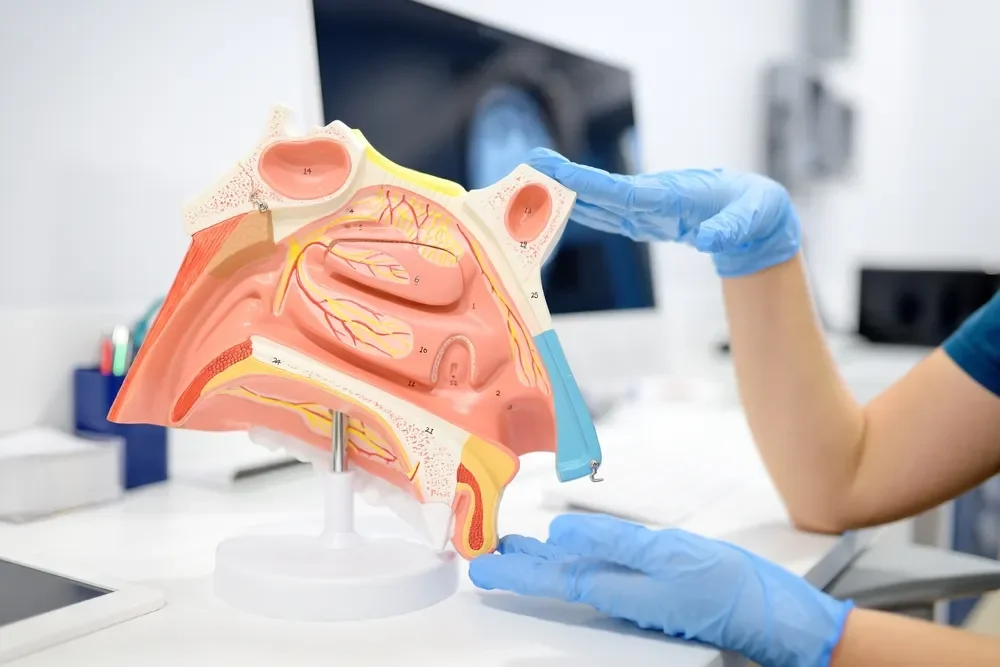
How an ENT Specialist Determines the Right Treatment
Chronic sinusitis can have different underlying causes, which is why treatment is not the same for everyone. An ENT specialist will carry out a thorough assessment to identify what is driving your symptoms.
This typically includes:
Reviewing your medical history: This includes how long your symptoms have lasted, how frequently they occur and any treatments you have tried.
Assessing your symptoms: Your doctor will evaluate symptoms such as nasal congestion, facial pressure, nasal discharge and changes in your sense of smell.
Nasal endoscopy (if needed): A small camera may be used to examine the nasal passages and sinus openings more closely.
Imaging such as a CT scan (if needed): In some cases, imaging is recommended to identify structural issues such as nasal polyps or a deviated septum.
Based on these findings, your specialist can determine whether your condition is related to inflammation, infection, allergies or structural blockage. This allows for a personalised treatment plan that targets the root cause and supports long-term relief.
Breathe Easier with Specialised Care
Persistent sinus symptoms can have various underlying causes, from ongoing inflammation to structural blockage or allergies. An accurate diagnosis allows your doctor to recommend treatment that directly addresses the root cause, rather than just temporary symptom relief.
At Aspire Ear Nose Throat and Snoring Clinic, we provide personalised care for patients struggling with chronic sinus issues and persistent nasal congestion. The practice is led by Dr Valerie Tay, known for her patient-centred approach, specialised experience and compassionate care. If ongoing sinus symptoms are affecting your breathing or quality of life, schedule a consultation with us to explore tailored treatment options.
FAQs About ENT Care for Chronic Sinusitis
Can chronic sinusitis be cured permanently?
Whether chronic sinusitis can be permanently resolved depends on its underlying cause. Many people achieve long-term symptom control with appropriate treatment, although conditions such as allergies or nasal polyps may require ongoing management.
When is sinus surgery necessary for chronic sinusitis?
Sinus surgery may be recommended if symptoms persist despite appropriate medical treatment or when structural problems, such as nasal polyps or a deviated septum, prevent normal sinus drainage. The aim is to improve drainage and reduce ongoing inflammation.
Is chronic sinusitis contagious?
No. Chronic sinusitis is an inflammatory condition and cannot be passed from one person to another. However, viral infections that may trigger acute sinusitis are contagious.
Can chronic sinusitis affect sleep or daily life?
Yes. Ongoing nasal congestion, facial pressure and post-nasal drip can interfere with sleep, cause daytime fatigue and affect your ability to concentrate. Treating the underlying condition can help improve these symptoms.
How can I reduce the risk of chronic sinusitis recurring?
Managing underlying causes is key to reducing recurrence. This may include using prescribed nasal sprays, performing saline irrigation, controlling allergies, avoiding irritants such as cigarette smoke, and following your doctor's treatment plan.
Meet Our Doctor
Dr Valerie Tay
Senior Consultant ENT Surgeon
MBBS (Singapore), MRCS (Edinburgh), MMed (ORL), FAMS
Dr Valerie Tay provides comprehensive ENT assessment and treatment for ear, nose, throat and snoring-related conditions. With advanced fellowship training in Facial Plastic Surgery in Seoul, she integrates both functional and aesthetic principles to achieve optimal outcomes in nasal and facial procedures. She is known for her meticulous surgical precision, strong clinical judgement and patient-centred approach grounded in integrity and compassion. A former president of the Society of Otolaryngology Head and Neck Surgery, Singapore, Dr Tay remains deeply committed to advancing patient care and mentoring future generations of doctors.