
5 Common ENT Problems in Singapore and Their Symptoms
Dr Valerie Tay
Senior Consultant ENT Surgeon
MBBS (Singapore), MRCS (Edinburgh), MMed (ORL), FAMS
Ear, nose and throat (ENT) conditions commonly affect individuals across all age groups in Singapore, including children, young adults and older adults. Environmental factors such as year-round humidity, dense urban living, periodic air quality changes and frequent exposure to respiratory viruses often contribute to the development and persistence of ENT symptoms. When these symptoms persist or recur, timely recognition and medical assessment can help reduce the risk of complications and limit long-term impact.
1. Allergic Rhinitis
Allergic rhinitis is a chronic inflammatory condition of the nasal lining caused by exposure to allergens such as house dust mites, mould spores, pet dander and airborne particles. In Singapore, symptoms often occur year-round due to the constant presence of indoor allergens, rather than following a seasonal pattern.
Exposure to these allergens triggers an immune response, leading to the release of inflammatory chemicals such as histamine. This process causes nasal irritation and congestion and, if left untreated, may contribute to secondary issues including sinus infections, sleep disruption or poorer asthma control.
Common Symptoms of Allergic Rhinitis
Common symptoms of allergic rhinitis may include:
● Frequent sneezing, particularly after exposure to allergens
● A runny nose or ongoing nasal blockage
● Nasal itching or irritation
● Post-nasal drip that may cause throat discomfort
● Watery or itchy eyes
● Throat irritation
Symptom severity varies depending on allergen exposure and individual sensitivity. Some individuals experience daily symptoms, while others notice flare-ups in environments such as air-conditioned or dusty spaces.
2. Sinusitis
Sinusitis is inflammation of the paranasal sinuses, the air-filled cavities surrounding the nose and eyes. It often develops after a viral upper respiratory tract infection and may also be associated with nasal allergies or structural obstruction, such as a deviated septum.
Inflammation can block normal sinus drainage, leading to mucus build-up and, in some cases, bacterial infection. Sinusitis is considered acute when symptoms last fewer than 12 weeks and chronic when they persist beyond this duration.
Common Symptoms of Sinusitis
Individuals with sinusitis may experience one or more of the following symptoms:
● Facial pressure or pain, commonly felt around the cheeks, forehead or eyes
● Nasal blockage or ongoing congestion
● Thick nasal discharge that may appear yellow or green
● A reduced or altered sense of smell
● Headaches associated with sinus pressure
● Post-nasal drip causing throat discomfort
● Fatigue or generalised tiredness
● Persistent cough, particularly at night
● A sensation of ear fullness due to pressure changes
3. Obstructive Sleep Apnoea (OSA)
Obstructive sleep apnoea is a sleep-related breathing disorder characterised by repeated collapse of the upper airway during sleep. This results in intermittent pauses in breathing, reduced oxygen levels and disrupted sleep.
OSA is increasingly recognised in Singapore due to rising awareness, lifestyle factors and population ageing. Known risk factors include obesity, enlarged tonsils, nasal obstruction, small jaw structure and smoking.
Common Symptoms of Obstructive Sleep Apnoea (OSA)
Symptoms of OSA often occur during sleep and may also affect daytime functioning. Common features include:
● Loud, habitual snoring that occurs on most nights
● Witnessed pauses in breathing during sleep
● Episodes of choking or gasping at night
● Excessive daytime sleepiness despite adequate sleep duration
● Morning headaches
● Poor concentration or memory difficulties
● Irritability or low mood
● Medical conditions such as hypertension, diabetes, and heart disease
In children, symptoms may present differently and can include mouth breathing, bedwetting or behavioural concerns.
4. Tonsillitis
Tonsillitis refers to inflammation of the tonsils and is most commonly caused by viral or bacterial infections. While it is frequently seen in children, adults may also be affected, particularly those exposed to crowded environments or recurrent respiratory infections.
The tonsils are part of the immune system and play a role in trapping pathogens. However, repeated infections may cause them to become chronically inflamed.
Common Symptoms of Tonsillitis
Symptoms of tonsillitis typically involve throat discomfort and general signs of infection. Common features include:
● A sore throat that may worsen with swallowing
● Pain or difficulty when swallowing
● Fever or chills
● Swollen or tender glands in the neck
● White or yellow patches on the tonsils
● Bad breath related to infection
● A hoarse or altered voice
Some individuals may also experience referred ear pain due to shared nerve pathways.
5. Hearing Loss
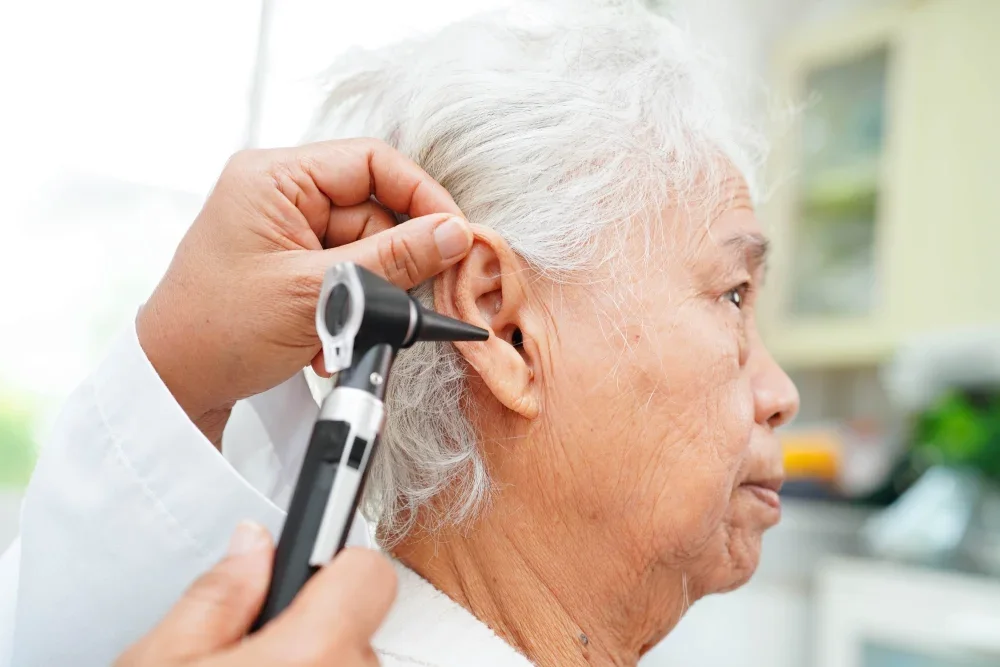
Hearing loss may develop gradually or occur suddenly and can affect one or both ears. Depending on the underlying cause, it may be classified as conductive, sensorineural or mixed.
In Singapore, common contributing factors include age-related hearing changes, prolonged exposure to loud noise, ear infections, impacted earwax and certain medical conditions. Early hearing loss often goes unrecognised, as symptoms may be attributed to background noise, unclear speech or reduced attention.
Common Symptoms of Hearing Loss
Symptoms of hearing loss can affect communication and daily activities. Common features include:
● Difficulty understanding speech, particularly in noisy environments
● Needing to increase the volume on televisions, phones or other devices
● Ringing, buzzing or hissing sounds in the ears, known as tinnitus
● A sensation of ear blockage or fullness
● Frequently asking others to repeat themselves
Sudden hearing loss, particularly when it occurs in one ear, should be assessed urgently by a doctor.
When to Consult an ENT Specialist
ENT specialists manage conditions involving the ear, nose, throat, head and neck. Referral may be appropriate when symptoms are persistent, recurrent or do not respond to initial treatment by a general practitioner.
Individuals may consider specialist assessment if they experience:
● Chronic nasal obstruction or facial pain
● Recurrent throat infections
● Snoring with daytime sleepiness
● Hearing changes or tinnitus
● Persistent hoarseness or voice changes
● Neck lumps or unexplained swelling
Early evaluation allows for accurate diagnosis, appropriate investigations and targeted management. This may include medical therapy, lifestyle modification, rehabilitative support or surgical options depending on the condition.
[H2] Managing ENT Conditions Confidently with Dr Valerie Tay
ENT conditions are common in Singapore and can affect breathing, sleep, communication and overall well-being if left unaddressed. Early recognition and appropriate evaluation help ensure accurate diagnosis and timely management tailored to individual needs. If symptoms persist or interfere with daily life, seeking professional assessment can support better long-term health outcomes.
Aspire Ear Nose Throat & Snoring Clinic is a specialist ENT practice in Singapore dedicated to comprehensive care for conditions affecting the ear, nose, throat and related areas, helping patients breathe better, sleep better and live well. The team is led by Dr Valerie Tay, an experienced ENT surgeon known for her patient-centric approach, surgical precision and leadership in the field. If you’re experiencing ear, nose or throat concerns, book an appointment with Dr Tay today to receive expert evaluation and tailored treatment planning.
Frequently Asked Questions about ENT Conditions
Are ENT conditions more common in children or adults?
ENT conditions can affect all age groups, but the type of condition may differ. Children more commonly experience tonsil-related issues or ear infections, while adults may present with sinus disease, sleep apnoea or age-related hearing changes. Lifestyle and occupational exposures may also influence risk.
Is surgery always required for ENT conditions?
No. Many ENT conditions are managed effectively with medical therapy, monitoring or supportive care. Surgical intervention is generally considered when symptoms persist despite appropriate treatment or when structural abnormalities contribute to ongoing problems.
Are home remedies safe for managing ENT symptoms?
Some supportive measures, such as saline nasal irrigation or adequate rest, may help relieve mild symptoms. However, persistent, worsening or severe symptoms should be medically evaluated. Self-treatment without proper assessment may delay appropriate diagnosis.
Meet Our Specialist
Dr Valerie Tay
Senior Consultant ENT Surgeon
MBBS (Singapore), MRCS (Edinburgh), MMed (ORL), FAMS
Dr Valerie Tay provides comprehensive ENT assessment and treatment for ear, nose, throat and snoring-related conditions. With advanced fellowship training in Facial Plastic Surgery in Seoul, she integrates both functional and aesthetic principles to achieve optimal outcomes in nasal and facial procedures. She is known for her meticulous surgical precision, strong clinical judgement, and patient-centred approach grounded in integrity and compassion. A former President of the Society of Otolaryngology Head and Neck Surgery, Singapore, Dr Tay remains deeply committed to advancing patient care and mentoring future generations of doctors.